
How To Choose The Best Solar Battery For Your Home
How To Choose The Best Solar Battery For Your Home
Key Points:
- Solar batteries are increasingly a smart investment in Victoria, especially with FiTs dropping and federal rebates covering up to 30% of the cost.
- Battery size matters. Most households will need a 5–13 kWh battery, with a typical family of four often needing around 10–13 kWh to cover evening usage.
- Look for high efficiency. Aim for a round-trip efficiency of at least 85% to ensure you’re making the most of your stored solar energy.
- Choose batteries with strong warranties. Minimum 10 years with performance guarantees ensuring 70–80% capacity retention over time.
- Prioritise aftercare and support. Choose providers that offer ongoing monitoring, servicing, and local support, not just install-and-go.
- Not all brands are equal. Brands like Sofar, Sungrow, Tesla, Sonnen, BYD, and Alpha ESS are trusted in Victoria, each offering different strengths.
- Installer accreditation is essential. Only SAA-accredited and NETCC-approved retailers can apply rebates on your behalf and guarantee quality standards.
- Avoid common mistakes like under- or over-sizing, chasing the cheapest price, or missing rebates. Work with an installer who takes time to get it right.
So, you’ve decided a solar battery might be a smart move. Maybe you’re sick of getting paid cents for your solar with Feed-in Tariffs (FiTs), or you want to protect your family from rising energy prices.
But now comes the hard part: choosing the right solar battery.
With so many brands, sizes, prices and providers out there, it can feel overwhelming.
That’s why we’ve put together this friendly, expert-backed guide to help you make the right call and get the best value for your investment.
Are Solar Batteries A Good Investment?
For many Victorians, the answer is yes, especially now.
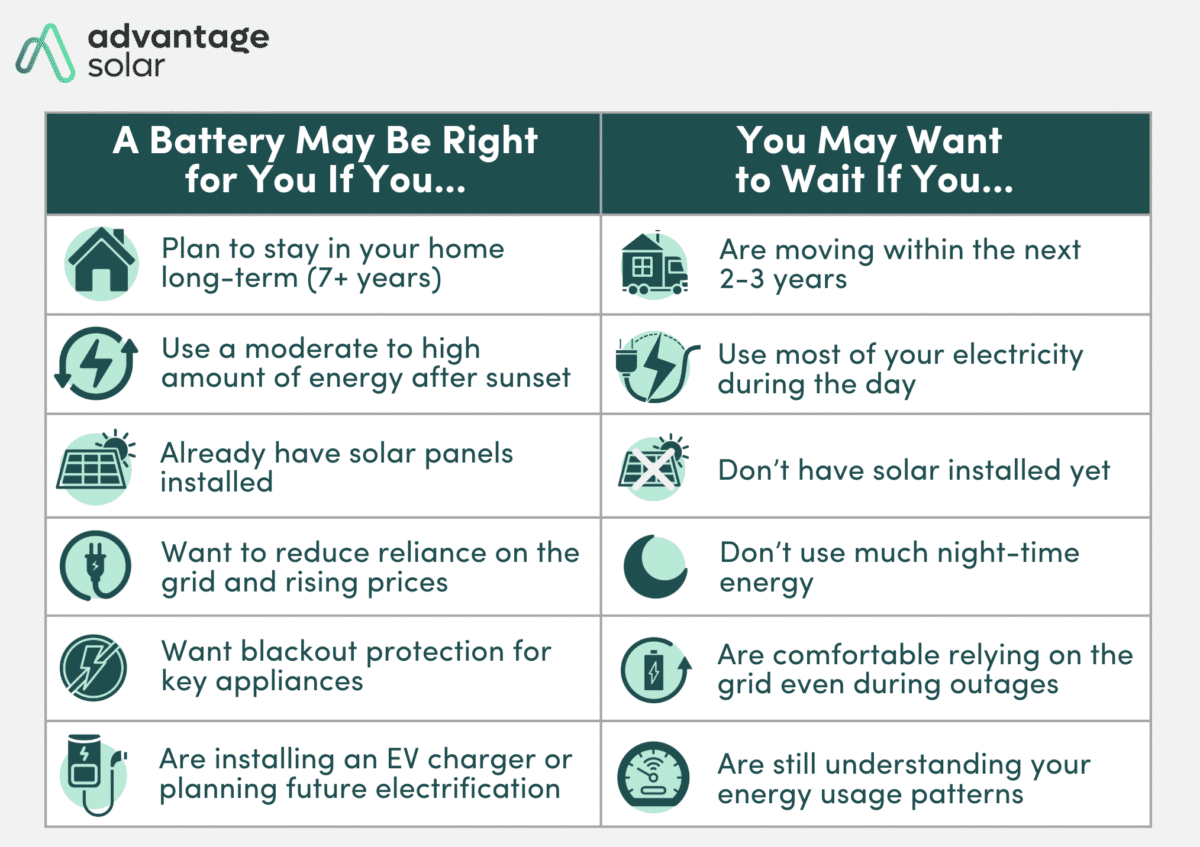
If you:
- Use a decent amount of electricity after sunset
- Plan to stay in your home long-term
- Already have solar and want to squeeze more value out of it
Then adding a battery can help you save significantly on your electricity bills and reduce your reliance on the grid.
With 30% federal rebates now available, and FiTs falling fast, batteries are becoming more than just a “nice to have”, they’re a smart energy strategy.
How To Choose The Right Battery For Your Home
Storage Size
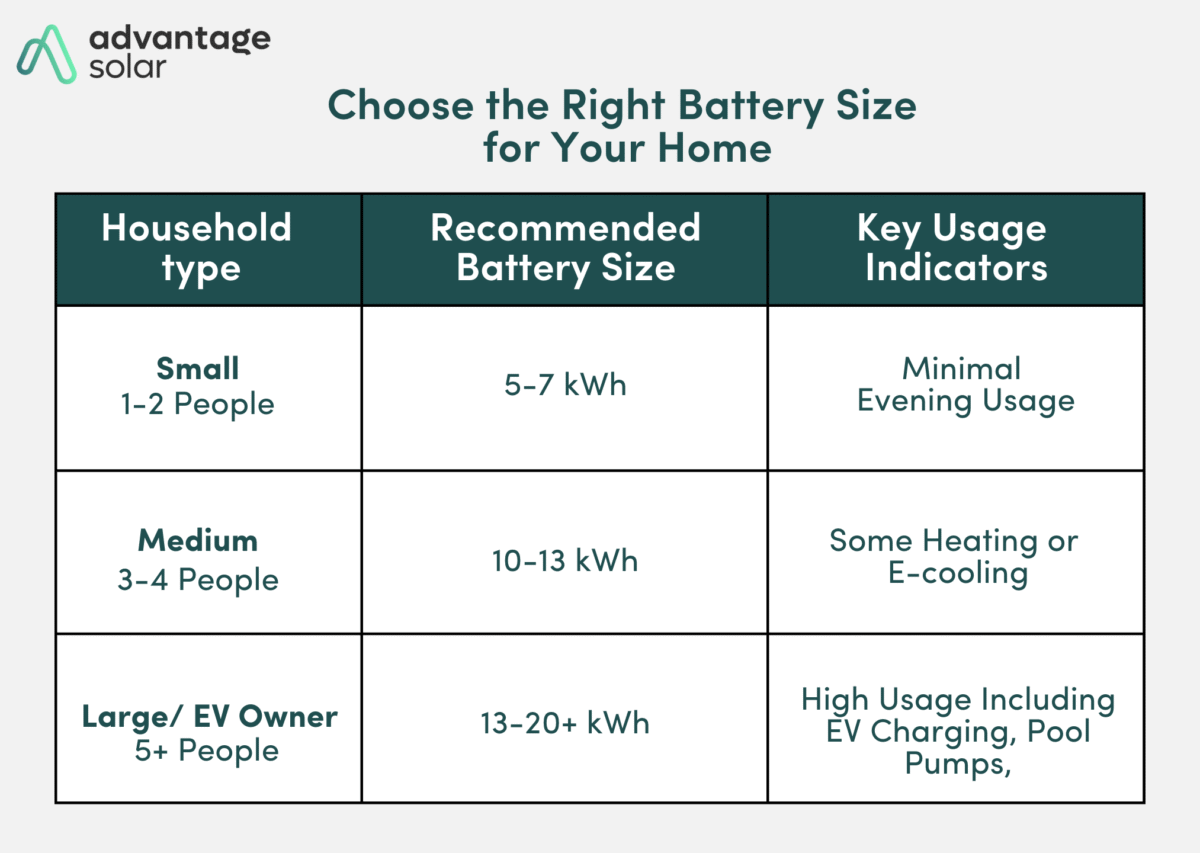
Storage size determines how much excess solar energy your battery can store for use at night or during outages. Most homes in Victoria install batteries between 5 kWh and 13 kWh.
- A 5 kWh battery might suit a small household with low evening energy use.
- A 10–13 kWh battery suits most medium-sized families (3–5 people), especially if you use energy for heating, cooking, or EV charging in the evenings.
Choosing the right size avoids overspending on unused capacity or under-sizing and still relying on the grid.
Efficiency (Round-Trip Efficiency)
This refers to how much energy is lost during the process of charging and discharging your battery. A higher efficiency means more of your solar energy is actually usable.
- 85%+ is considered good, meaning for every 10 kWh stored, at least 8.5 kWh is available for use.
- Lower-efficiency batteries waste more energy, which adds up over years of usage.
Look for round-trip efficiency listed in battery specs, and ask your installer how it’s calculated.
Warranty
Solar batteries are long-term investments, so you’ll want to ensure they last. Most quality systems offer at least a 10-year warranty, but what matters just as much is what the warranty guarantees.
Look for:
- Cycle life: How many charge/discharge cycles it’s guaranteed for.
- Performance guarantee: Good batteries retain at least 70–80% of capacity after 10 years.
Support & Aftercare
A battery system is only as reliable as the support that comes with it. Aftercare ensures your system stays functional, safe, and monitored over time.
Look for:
- Australian-based support: Preferably with live service agents, not just chatbots.
- Reputable installer backing: Ideally the same provider who installs your system also services and monitors it.
This is where local providers with ongoing support, servicing and real-time performance tracking stand out.
Monitoring & Smart Integration
Modern batteries should include app-based performance monitoring, showing:
- Battery charge level
- Solar generation vs usage
- Energy drawn from vs exported to the grid
Smart integration also allows you to configure how your system behaves (e.g., reserve power for outages or maximise self-consumption).
Some batteries, like Sofar, offer one-button battery control and smart switching based on your habits.
Battery Type
The majority of home solar batteries use Lithium-ion chemistry specifically:
- LFP (Lithium Iron Phosphate): Long lifespan, excellent thermal stability (safer), slightly lower energy density.
- NMC (Nickel Manganese Cobalt): Higher energy density, but may run hotter and degrade faster.
LFP is ideal for homes, especially in Australia’s heat. Brands like Sofar and Sungrow both use this for reliability and safety.
Key Features To Compare
Here’s a quick cheat sheet when comparing solar batteries:
Feature
What to Look For
Storage Size
5–13 kWh for homes; match to your daily usage
Efficiency
85%+ round-trip efficiency to reduce energy loss
Warranty
10+ years with 70–80% capacity retention guaranteed
Support & Aftercare
Aussie-based team with ongoing monitoring & servicing
Monitoring
App-based performance tracking and smart controls
Battery Type
Lithium-ion (LFP preferred for safety and longevity)
Popular Solar Battery Brands To Consider
There’s no shortage of battery brands out there, but these are some of the most commonly installed and trusted in Victorian homes:
- Sofar – A sleek, all-in-one modular system known for lightning-fast blackout protection, Sofar combines performance and peace of mind. With Aussie HQ support, a 10-year warranty, and smart app integration, it’s a growing favourite among homeowners looking for reliability and flexibility.
- Sungrow – Affordable, efficient, and ideal for homes without a battery (yet). This inverter works brilliantly in extreme Australian heat, with whisper-quiet operation and impressive energy production even in low-light conditions. We offer this for solar-only installs or systems planning to add a battery later.
- Sonnen – German-made and known for exceptional quality, long lifespan, and intelligent energy management. A premium option with a solid track record.
- Tesla Powerwall – The premium pick for many homeowners, offering high capacity, sleek aesthetics, and seamless integration with Tesla’s wider energy ecosystem.
- Alpha ESS – A solid mid-range option with great customer support, modular sizing, and reliable local service.
- BYD – High-efficiency, stackable batteries with strong warranties and flexibility to scale as your energy needs grow.
📍 Pro Tip: Don’t just pick a brand because it’s popular. Pick what’s right for your home, usage, and goals.
Common Mistakes To Avoid When Buying A Solar Battery
Solar batteries aren’t a small purchase, so it pays to avoid the common pitfalls. Here are a few mistakes we help customers steer clear of:
Going for the Cheapest Option
We get it. A cheaper battery is tempting. But low-cost often means:
- Shorter lifespan
- Lower storage capacity
- Little to no warranty or aftercare
Smart move: Look for long-term value. Choose a reputable brand with a solid warranty and installer support that’ll still be around in 10+ years.
Choosing the Wrong Size
Too small? You’ll run out of stored power quickly and still rely on the grid.
Too big? You’ll overspend on capacity you don’t actually use.
Smart move: Get a battery size that fits your actual usage. Always start with a usage analysis to recommend the right size for your home and energy habits.
Missing Out on Rebates
The federal rebate covers up to 30% of your battery cost, but many Victorians miss out due to paperwork confusion or lack of guidance.
Smart move: Choose a provider that will handle the paperwork for you.
Choosing a Provider With No Aftercare
Some solar companies disappear after install and don’t offer monitoring, servicing and support.
Smart move: Pick a provider with Gold Standard Aftercare that includes:
- Performance monitoring
- Call-out support
- Ongoing maintenance
Doing this ensures that you can enjoy your home battery with peace of mind knowing that there is support whenever you need it.
Why Installer Accreditation Matters
Choosing the right installer is just as important as picking the right battery.
- Installers must be accredited by Solar Accreditation Australia (SAA) to claim STC-based rebates. SAA accreditation ensures they meet safety and performance standards.
- Solar retailers that are also NETCC-approved sellers follow best-practice sales, contract, and warranty standards.
- It’s also their job (on your behalf) to claim the rebate (up to 30%) as an upfront discount. There’s no need to apply separately.
Pro Tip: Always verify your installer’s SAA accreditation and NETCC approval, then watch while they apply the rebate for you.
Ready To Take the Next Step?
A solar battery can future-proof your home, slash your bills, and give you back control but only if it’s the right one, installed by the right people.
Need help figuring it all out?
We’ll help you understand your options, check your rebate eligibility, and guide you through the whole process. No pressure, just honest advice.
Learn more about our solar battery services and get a personalised quote.
Table of Contents